Thicket Clearing in Utah County, UT
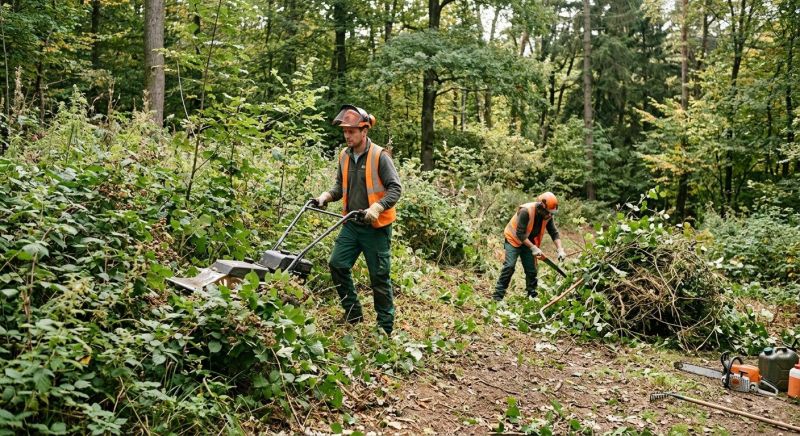
Thicket clearing services involve the removal of dense brush, small trees, and overgrown vegetation from residential properties. This process is often used to improve the appearance of a yard, create open space for landscaping or recreational activities, or prepare land for future development. Property owners typically request thicket clearing when their land has become overgrown or difficult to manage, making it easier to maintain and safer for outdoor use.
Before requesting thicket clearing, property owners should consider the extent of overgrowth and the types of vegetation present. It’s helpful to identify any potential hazards, such as hidden debris or wildlife, and to determine how much clearance is needed to meet their goals. Understanding the scope of the project and any specific concerns can ensure that the clearing process aligns with property management plans and helps achieve the desired outdoor space.
Many property owners in Utah County, UT look into Thicket Clearing for repairs, replacements, upgrades, and appearance-related improvements.
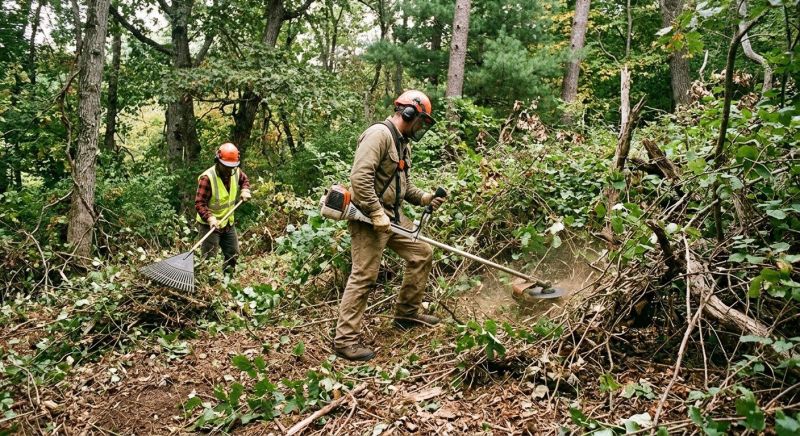
Thicket Clearing For Property Expansion
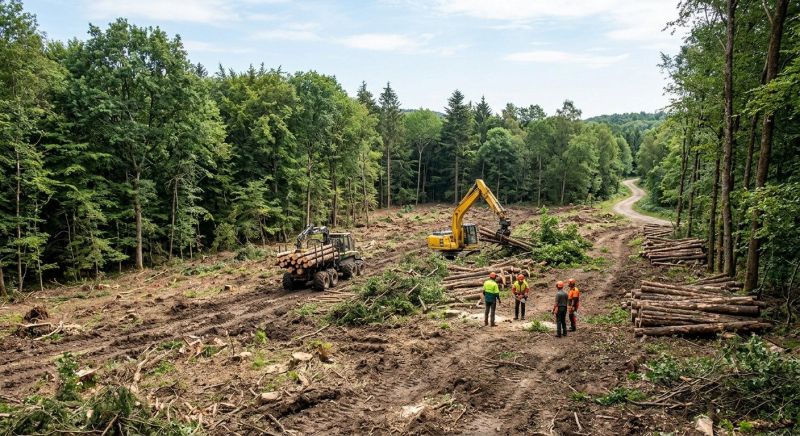
Removing dense brush and undergrowth to prepare land for development or landscaping in utah county.
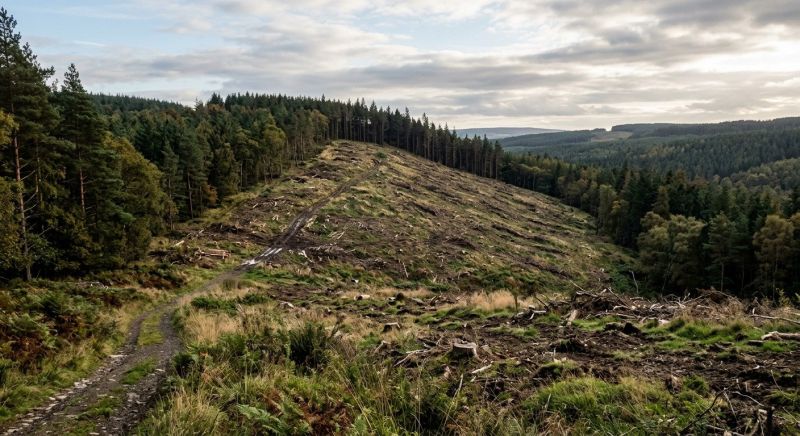
Land Restoration And Maintenance
Clearing overgrown areas to improve safety, visibility, and accessibility on residential or commercial properties.
Fire Hazard Reduction
Clearing thick vegetation to help reduce fire risk around homes and properties in utah county.
Thicket Clearing in Utah County, UT
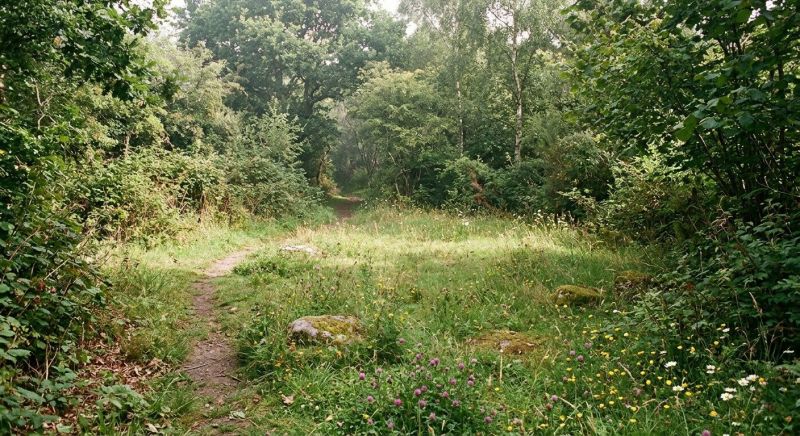
Thicket clearing services involve the removal of dense brush, small trees, and overgrown vegetation from residential properties. This process is often used to improve the appearance of a yard, create open space for landscaping or recreational activities, or prepare land for future development. Property owners typically request thicket clearing when their land has become overgrown or difficult to manage, making it easier to maintain and safer for outdoor use.
Before requesting thicket clearing, property owners should consider the extent of overgrowth and the types of vegetation present. It’s helpful to identify any potential hazards, such as hidden debris or wildlife, and to determine how much clearance is needed to meet their goals. Understanding the scope of the project and any specific concerns can ensure that the clearing process aligns with property management plans and helps achieve the desired outdoor space.
Many property owners in Utah County, UT look into Thicket Clearing for repairs, replacements, upgrades, and appearance-related improvements.
Common Thicket Clearing Jobs
Thicket clearing - removal of dense brush and overgrown vegetation to improve property access and visibility.
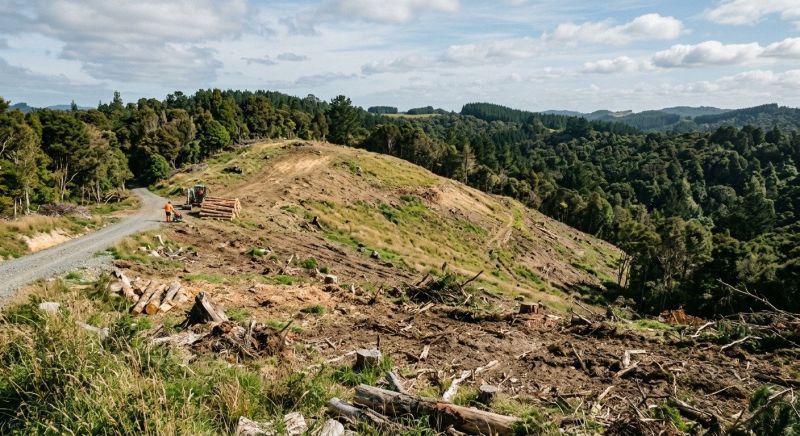
Land clearing - clearing large areas of overgrown or wooded land for development or landscaping projects.
Brush removal - removing unwanted shrubs, small trees, and thick undergrowth to enhance yard space.
Vegetation management - controlling and reducing thick plant growth to prevent overgrowth and fire hazards.
Tree and shrub removal - safely removing small to medium-sized trees and bushes that obstruct views or structures.
Overgrowth removal - clearing excessive plant growth to maintain property appearance and safety.
Thicket Clearing Questions
What types of vegetation can be cleared? Thicket clearing typically involves removing dense shrubs, brush, and small trees to open up the property space.
Is thicket clearing suitable for property development? Yes, it helps prepare land for construction, landscaping, or other outdoor projects by creating a clear and accessible area.
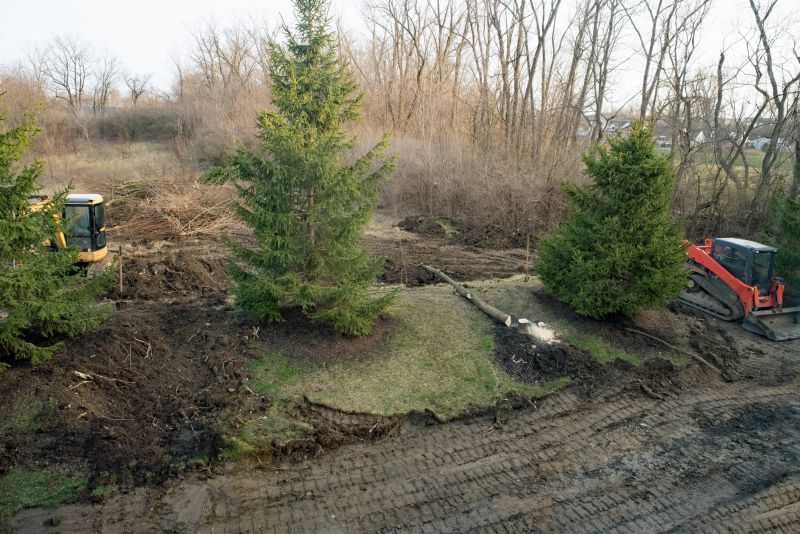
What equipment is used for thicket clearing? Heavy-duty machinery like bulldozers, brush cutters, and chainsaws are commonly used to efficiently clear dense vegetation.
Does thicket clearing impact the soil or landscape? Clearing may temporarily disturb the soil, but proper techniques help minimize long-term landscape changes and promote healthy regrowth if desired.
Request Thicket Clearing in Utah County, UT
Use the quote form on this page to share the basics of your project and request more information for the type of work you need.